1. Confirm the property is released
If police were involved, cleanup starts after they release the space. The owner or family can check with the agency.
St. Anne, IL · Kankakee County
How do you clean a space after drug use in St. Anne? Call (877) 812-4220 to talk about removing sharps, clearing contaminated soft materials and disinfecting surfaces.
If anyone is in danger, call 911 first. For a suicide crisis, call or text 988.
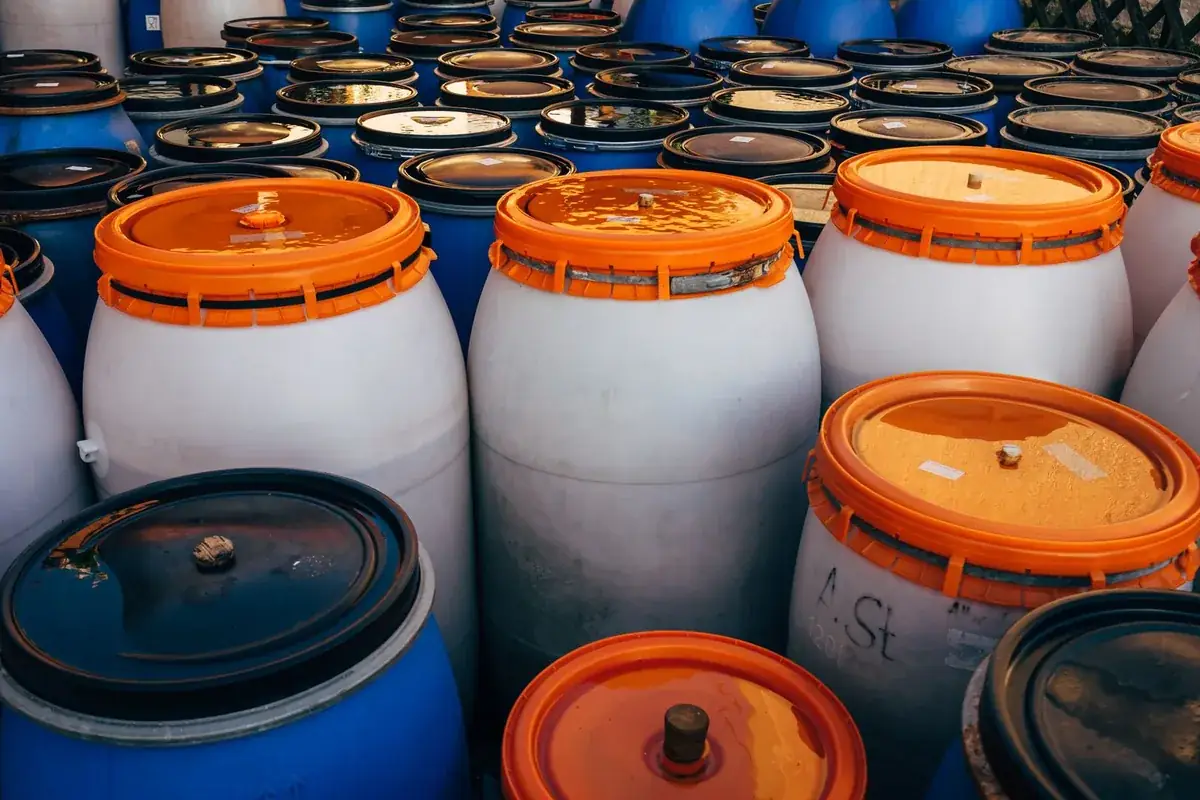
Cleaning a space after drug use can include removal of bedding, carpet or upholstery that took in residue, along with disinfection of hard surfaces and treatment of odor.
If you are unsure whether your space in St. Anne needs cleaning, you can talk with St. Anne Biohazard Cleanup Help about it in Kankakee County. The team helps sort out what is paraphernalia cleanup and what may call for more testing.
A vacancy rate near 10% in Kankakee County means more empty houses and lots, which are common places for discarded items to be found. Tell the doctor where the exposure happened. Presence St Marys Hospital, about 11 miles from St. Anne, can evaluate people who may have been exposed.
Drug Paraphernalia Cleanup in St. Anne usually includes:
If police were involved, cleanup starts after they release the space. The owner or family can check with the agency.
The team looks over the rooms and decides which items, surfaces and materials need attention.
Remaining paraphernalia is removed, and surfaces with residue are cleaned or taken out.
The space is checked once more, and the crew answers questions before leaving.
The cost of drug paraphernalia cleanup in St. Anne, IL depends on the amount of material, how it is packed and how it is hauled.
A site where drugs were manufactured needs testing and a different plan. If that applies, the scope and price are different from standard paraphernalia cleanup.
| Type of job | Typical range |
|---|
Estimates only, not a quote. Sources: . Price drivers include amount of material, whether residue is present, surfaces affected, waste disposal. Call (877) 812-4220 to talk through the job.
It can. Powders and stains may stay on floors, furniture, bedding and in vents after the items are gone. That is why a team cleans and disinfects the surfaces and removes soft materials that cannot be cleaned. Ask what the plan covers.
No. This page explains how drug paraphernalia cleanup works. It is not medical, legal or insurance advice. For symptoms, contact a doctor or Poison Control, and for legal questions, ask an attorney.
Loose syringes should never go in household trash, because they can stab sanitation workers. Other items may carry residue. A cleanup team seals and disposes of everything the safe way.
It can. Once soiled items are removed, a team can treat lingering odor in the air and on surfaces. Ask what methods the team uses and whether odor treatment is part of the plan or a separate step.
It can be. Used syringes and other sharps can carry bloodborne germs, and residue can harm people who touch or swallow it. A cleanup team can look at what is there and explain how it should be handled. Do not touch it until then.
Keep them out of affected rooms until a cleanup team has finished. Children and pets are closest to floors and furniture and are most at risk from residue. If a child or pet touches or swallows something, call Poison Control or a veterinarian.
Crews work without judgment and focus on making the space safe.
Call (877) 812-4220